

Smart Garages Explained: What Actually Makes a Garage “Smart” — and What Doesn’t
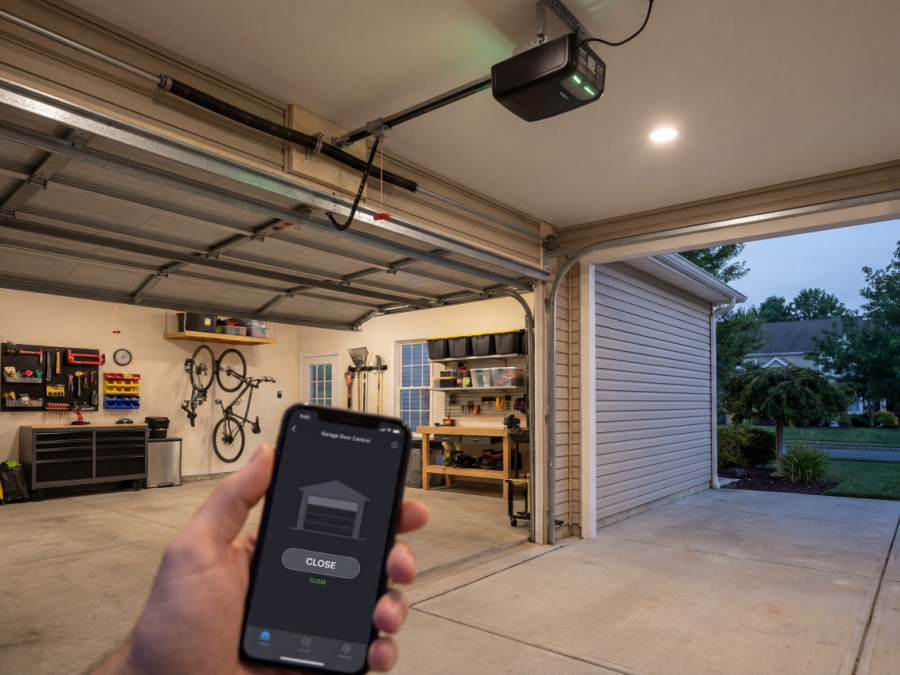
The idea of a “smart garage” has picked up a lot of momentum in recent years, usually framed around apps, connected devices, and convenience features. From a professional standpoint, though, a smart garage isn’t defined by how many devices are installed. It’s defined by whether those devices are working with the garage system, not fighting against it.
Over the years, we’ve seen smart technology genuinely improve how homeowners use their garages. We’ve also seen it add frustration when it’s layered onto a system that wasn’t ready for it. The difference usually comes down to understanding what smart technology is good at and where its limits are.
A Smart Garage Starts With the Door, Not the Technology
Before any garage can truly be considered “smart,” the door itself has to be right.
A garage door is a large mechanical system under constant load. If it’s out of balance, binding in the tracks, or mismatched to the opener, no amount of technology will make it behave better. In fact, modern smart openers tend to expose these problems more quickly because they’re designed to stop when resistance changes.
From a professional perspective, a garage becomes smart only after the fundamentals are addressed. The door should lift smoothly, stay balanced through its travel, and operate without strain. Once that foundation is solid, technology can actually do its job.
Smart Garage Door Openers: Practical Value When Done Right
Smart garage door openers are often the first upgrade homeowners consider, and for good reason. When installed on a properly balanced door, they offer real, everyday benefits.
The value isn’t novelty. It’s awareness and control.
Being able to check whether the door is open, receive alerts when it operates, or close it remotely if it was left open removes a lot of uncertainty from daily life. For households with multiple drivers, busy schedules, or frequent deliveries, those features quickly become less of a luxury and more of a convenience you rely on.
That said, the technology only works as intended when the opener is correctly matched to the door’s weight and usage. A smart opener installed on a struggling door doesn’t make the system smarter. It makes the problems more obvious.
Smart Thermostats in Garages: Useful in the Right Conditions
Smart thermostats are one of the most misunderstood garage upgrades.
They work well in garages that are insulated, sealed, and used as functional living or work spaces. In those cases, smart temperature control can help regulate conditions, reduce energy waste, and improve comfort throughout the year.
Where they fall short is in garages that are essentially unconditioned spaces. If the door leaks air, the walls aren’t insulated, or the space wasn’t designed to hold temperature, a smart thermostat can’t fix that. It simply cycles more often without delivering meaningful results.
The technology isn’t the problem. The expectations are.
Smart Locks and Keypads: About Access, Not the Door Itself
Smart locks and keypads are often grouped with garage door upgrades, but they solve a slightly different problem.
Their real value lies in access control. They make it easier to manage who can enter the garage and when, especially through side doors or service entrances. Temporary access codes, activity logs, and automatic locking remove the guesswork that comes with physical keys.
What they don’t do is compensate for a weak or failing door system. A smart lock adds convenience and oversight, but true security still depends on the strength and condition of the garage door itself.
Smart Storage: Quietly One of the Most Practical Upgrades
Smart storage systems don’t get as much attention as connected devices, but they often deliver some of the biggest functional improvements.
Overhead lifts, motorized platforms, and adjustable storage systems can dramatically change how a garage is used by reclaiming floor space and improving organization. When properly installed and correctly rated for the load, they add capability without interfering with the door system.
As with everything else in the garage, proper installation matters. Technology doesn’t change physics, and storage systems still need to be mounted securely and used within their limits.
So What Actually Makes a Garage “Smart”?
From a professional standpoint, a smart garage isn’t the one with the most connected devices. It’s the one where everything works together as a system.
A truly smart garage is one where the door is balanced, the opener is appropriately matched, and technology is used to improve awareness and convenience rather than compensate for mechanical issues. The upgrades make sense for how the space is used and don’t introduce unnecessary complexity.
Smart features should make the garage easier to live with, not harder to maintain.
A Final Perspective From the Field
Technology has an important place in modern garages, but it works best when it respects the fundamentals of the system. The smartest upgrades are the ones that fit the door, the space, and the homeowner’s actual needs.
When those pieces align, smart technology feels seamless. When they don’t, it becomes another source of frustration.
Understanding that difference is what separates a garage that’s simply connected from one that’s genuinely smart.